
- About
- Property in Turkey
- Our Projects
- Services
- Why to invest in Alanya?
- Selling Your Property
- Title Deed Transfer
- Useful Information
- Property Appraisal Services
- Property Management
- Legal Assistance
- Property Insurance
- Setting Up Utility Subscriptions
- Furniture Selection Assistance
- Obtaining a Turkish Tax ID
- Property Renovation Services
- Inspection Trip
- Turkish Citizenship
- Blog
- Contact
Servıces
Property Insurance: Protect Your Assets with Confidence

Property insurance is a type of coverage that protects individuals or businesses against financial losses resulting from damage or loss to their physical assets. This includes protection against risks such as fire, theft, natural disasters (like earthquakes, floods, storms), vandalism, and more. Homes, offices, warehouses, and their contents—such as furniture, equipment, or commercial goods—can all be insured under a property insurance policy. In addition to covering the cost of damage or loss, property insurance can also provide financial assistance for repairs or rebuilding in the event of a covered incident. It is one of the most effective ways to safeguard your investments and ensure continuity in both personal and business life.
Secure Your Assets with Property Insurance
Property insurance offers vital protection against unexpected events like fire, theft, or natural disasters. Whether it’s your home or business, this coverage ensures financial support for repairs or replacements. It brings peace of mind by safeguarding your investments from costly damages.
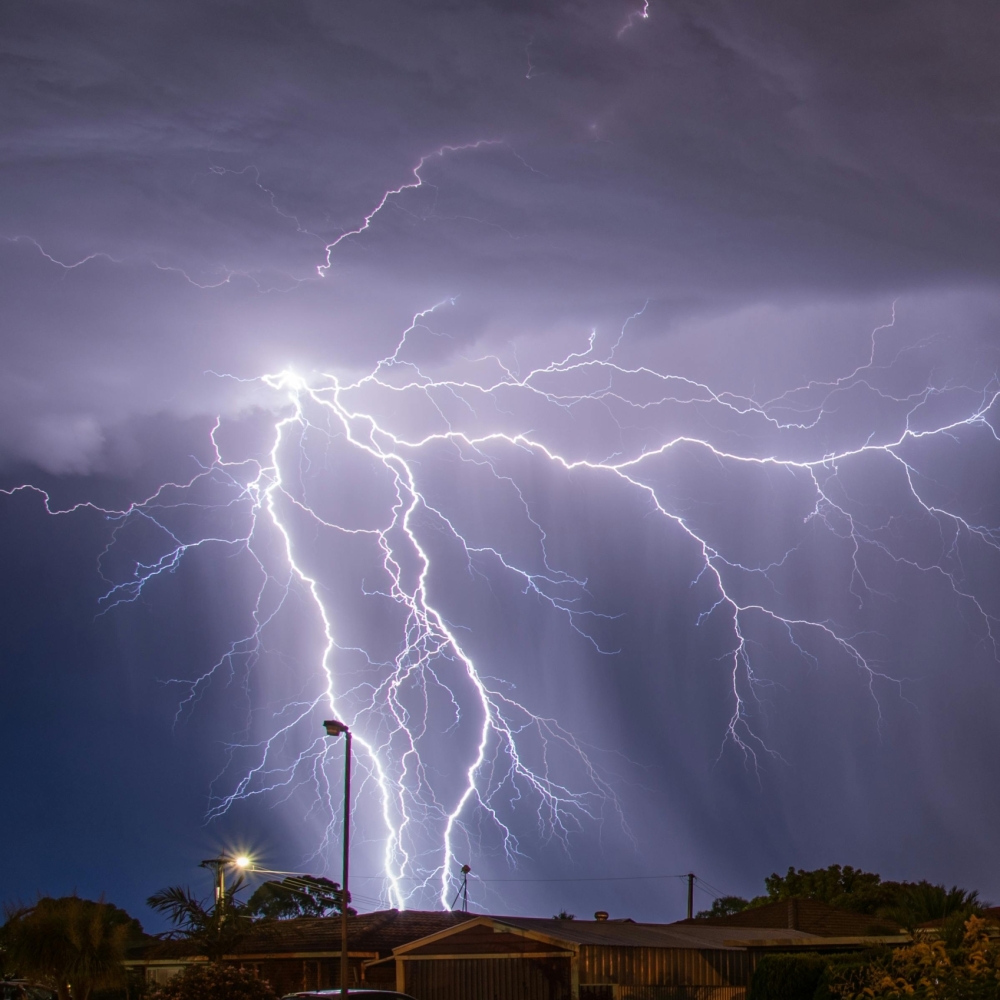
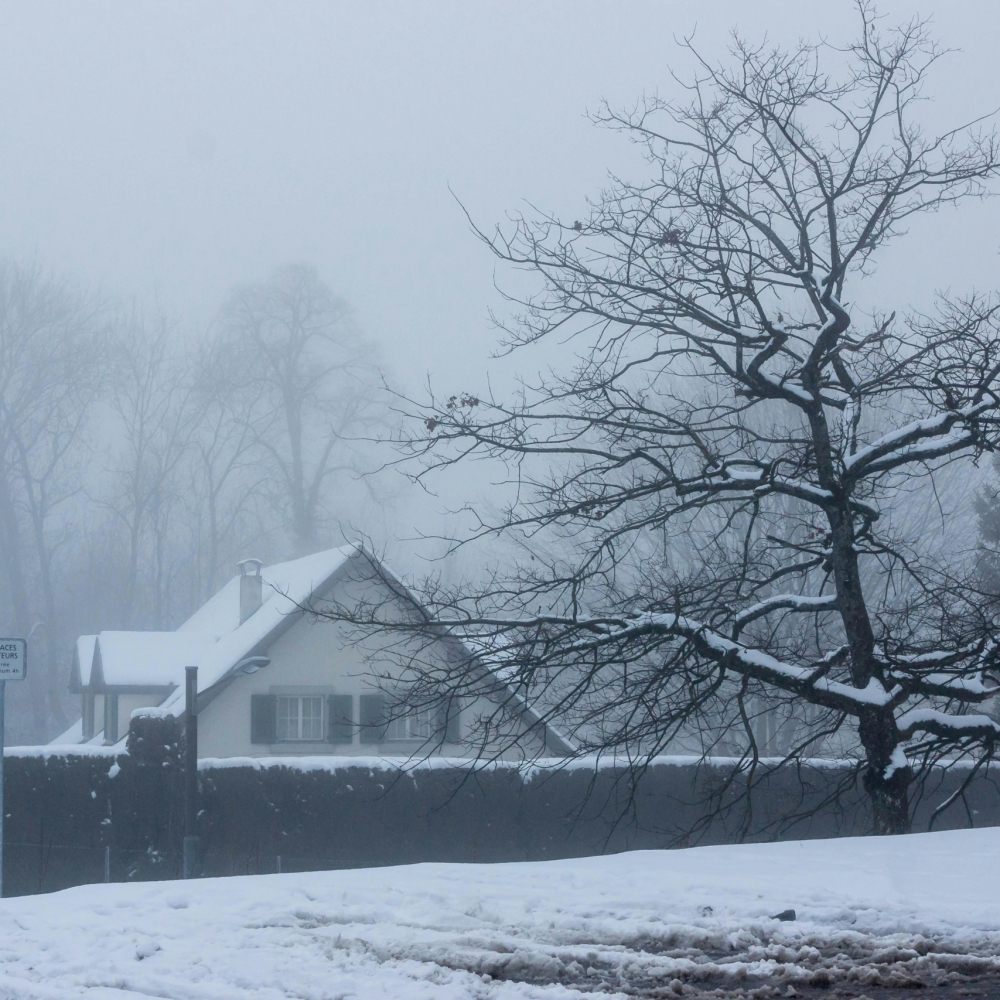
Protect What Matters Most: Your Property
Your property is more than just a structure—it’s a valuable asset. Property insurance helps shield you from the financial impact of unforeseen incidents. From a flooded basement to a fire-damaged office, insurance steps in to cover the loss, allowing you to recover quickly and stay focused on what matters.
Secure Your Property: Protect Your Home and Investments
Your home, workplace, or other valuable properties hold both emotional and financial significance. Unexpected events—such as fire, flood, theft, or natural disasters—can lead to serious losses. This is where the right property insurance comes in, protecting you from major financial burdens and providing peace of mind. Property insurance can cover not only your building but also its contents and liability against third parties. By customizing your policy to suit your needs, you can minimize the risks that threaten your quality of life. Taking precautions today is a critical step toward a secure future—both emotionally and financially. Remember, insuring your property is not an expense; it’s a long-term investment in your stability and peace of mind.
One of the key advantages of property insurance is the wide range of coverage options available. Whether you own a private home, a rental property, or a commercial building, you can choose a policy that matches the unique risks associated with your asset. For homeowners, this might include protection against structural damage and loss of personal belongings. For landlords and business owners, coverage can extend to lost rental income or business interruption. By working with a trusted insurance provider, you gain access to expert advice and tailored solutions that keep your property—and your financial future—secure.
In today’s unpredictable world, having property insurance is not just a safety net—it’s a necessity. Climate change, rising crime rates, and economic uncertainties have increased the importance of protecting your assets. A comprehensive insurance policy can mean the difference between a quick recovery and long-term financial hardship after a disaster. It also provides peace of mind, knowing that you won’t be left alone to deal with the costs of rebuilding or replacing what you’ve lost. Investing in property insurance is a proactive step toward resilience, responsibility, and long-term security for you and your loved ones.
faq
Frequently Asked Questions
Property insurance is a type of coverage that protects physical assets such as homes, commercial buildings, and personal belongings from risks like fire, theft, natural disasters, and vandalism. It’s important because these events can cause severe financial damage, which may be difficult or even impossible to recover from without support. With property insurance, you can repair or replace damaged structures and items without bearing the full cost yourself. More importantly, it gives you peace of mind—knowing that your investments and the place you call home are financially protected against unexpected events. In a world where climate change and unpredictable accidents are increasingly common, property insurance acts as a safety net for individuals and businesses alike.
Property insurance can be tailored to cover a wide range of physical assets. The most common is homeowners insurance, which protects private residences, including both the structure and personal contents. Landlord insurance is designed for those who own rental properties, covering both the property and potential loss of rental income. Commercial property insurance protects business-owned properties such as offices, warehouses, and retail spaces. Additionally, condo insurance and vacation home insurance provide specialized coverage for different living arrangements. Policies can also include add-ons for high-value items, outdoor structures, and liability for injuries occurring on the property. Each type of coverage is designed to address the specific risks and needs of the property it protects.
When damage or loss occurs, the property owner must file a claim with their insurance provider, detailing what happened and the extent of the damage. The insurance company typically assigns a claims adjuster to investigate the situation, assess the damage, and determine whether the incident is covered under the policy. If the claim is approved, the insurer will pay out an amount based on the policy terms—this could be the full replacement cost, the actual cash value, or a specific insured amount. The payout helps the policyholder cover repair or replacement costs. The process also involves documentation, such as receipts, photos, and police or fire department reports if applicable. Timely communication and thorough records can significantly speed up the claims process and ensure fair compensation.
Several key factors affect the premium (cost) of a property insurance policy. Location plays a major role; properties in areas prone to floods, earthquakes, or high crime rates usually have higher premiums. The value and age of the property, construction materials, and proximity to fire services also influence cost. For example, older homes with outdated electrical or plumbing systems may be more expensive to insure. The type of coverage—such as basic, broad, or comprehensive—also affects the price, as does the deductible, which is the amount you agree to pay out of pocket before the insurance kicks in. In addition, security features, such as alarm systems or reinforced doors, can lower premiums. Insurers may also consider the owner’s claim history and credit score when determining rates.
To ensure adequate coverage, property owners should start by conducting a thorough inventory of their assets and determining the replacement value of both the structure and its contents. It’s important to choose a policy that offers replacement cost coverage rather than actual cash value, as this ensures you receive enough compensation to fully rebuild or replace damaged items without accounting for depreciation. Regularly reviewing and updating your policy is crucial, especially after home improvements, major purchases, or changes in occupancy. Consulting with a licensed insurance advisor can help you understand potential gaps in coverage and whether you need add-ons like flood, earthquake, or liability insurance. Finally, read the policy carefully—knowing what is included and excluded helps avoid surprises at the time of a claim. Being proactive and informed is key to maximizing the protection your insurance provides.